
by Ana Serrano | Sep 28, 2026 | QA Strategy
TestGen AI generates positive and negative test cases from a requirement document in minutes, but speed isn’t the whole story. The platform builds a human checkpoint and a full audit trail into that same workflow, so QA teams move faster without losing the...

by Ana Serrano | Sep 28, 2026 | QA Strategy
Audit-ready QA documentation isn’t something you build the week before an audit. It already exists, because every test case, result, and defect got logged the moment it happened. Teams that treat documentation as part of testing, instead of a separate scramble,...

by Ana Serrano | Aug 18, 2026 | QA Strategy
Test coverage measures how much of your application your tests exercise, but the percentage alone does not indicate quality. Meaningful test coverage maps tests to requirements and risk, not just lines of code, so a high number only matters when it covers the paths...

by Ana Serrano | Aug 18, 2026 | QA Strategy
Your team is shipping AI-assisted code faster than your test suite can keep up, and every gap between “written” and “tested” is a gap an auditor, or a production incident, will eventually find. TestGen AI closes that gap by generating test...
by Ana Serrano | Jul 27, 2026 | QA Strategy
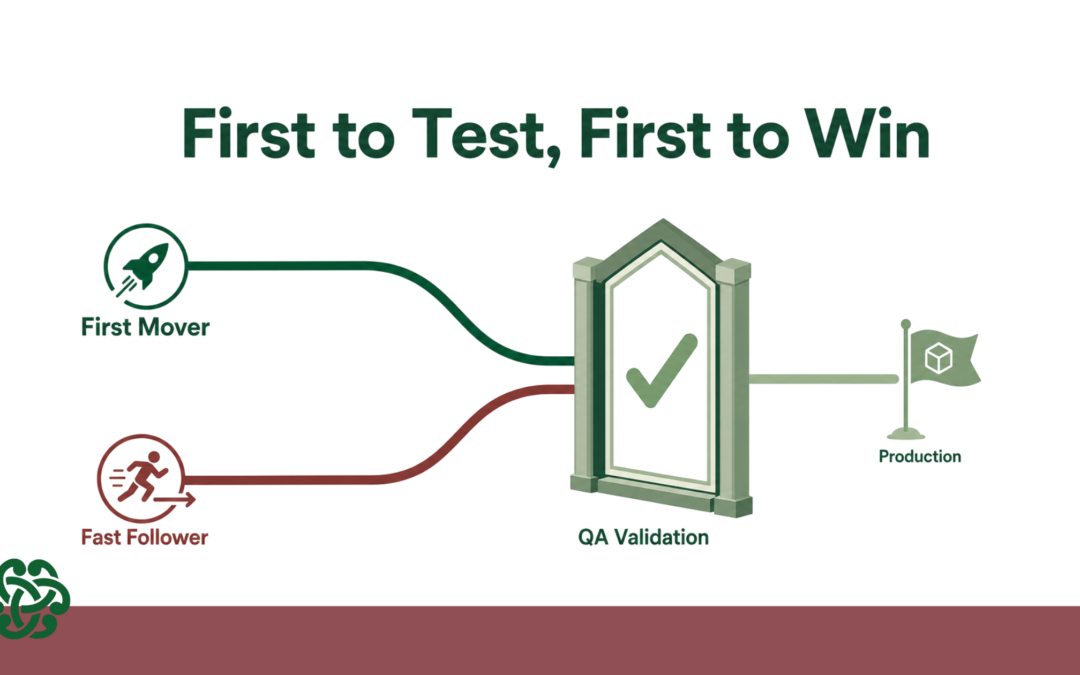
Whether your organization moves first or follows fast, every technology rollout has one thing in common: the QA team absorbs the risk. The business sets the adoption pace. The QA management platform determines whether that pace is achievable without introducing...
by Ana Serrano | Jul 22, 2026 | QA Strategy
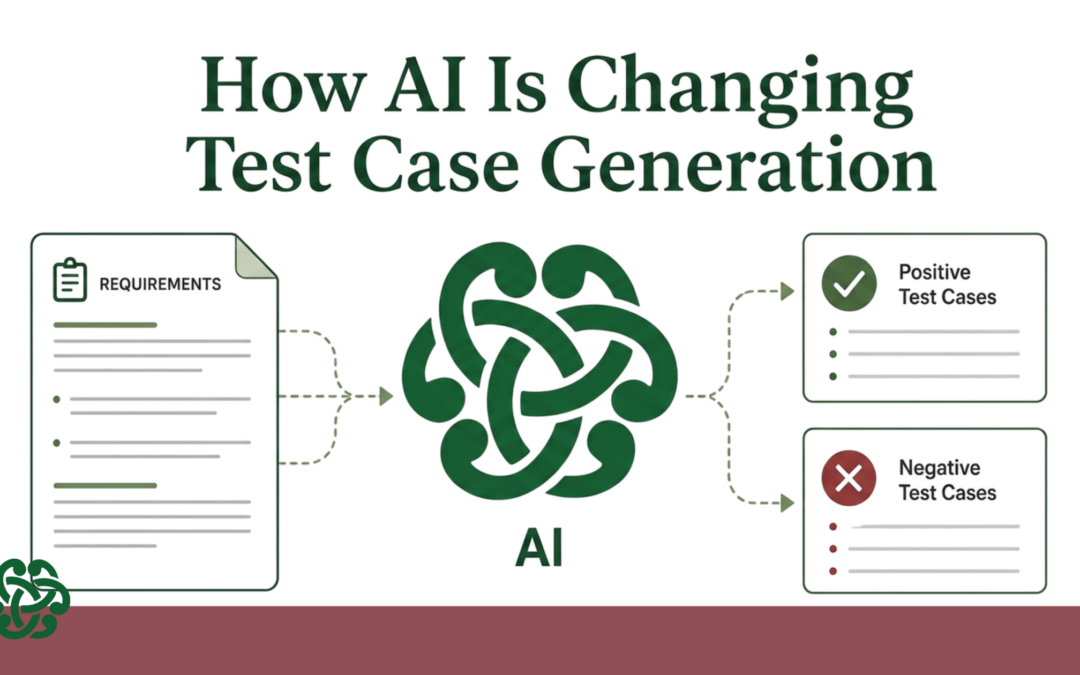
AI test case generation uses machine learning to automatically produce test cases from requirements, user stories, or natural-language prompts, eliminating much of the manual authoring work that slows QA teams down. It doesn’t replace QA judgment; it removes the...

Recent Comments